
Glenelg Beach: The Day a Sunny Shore Turned Sinister
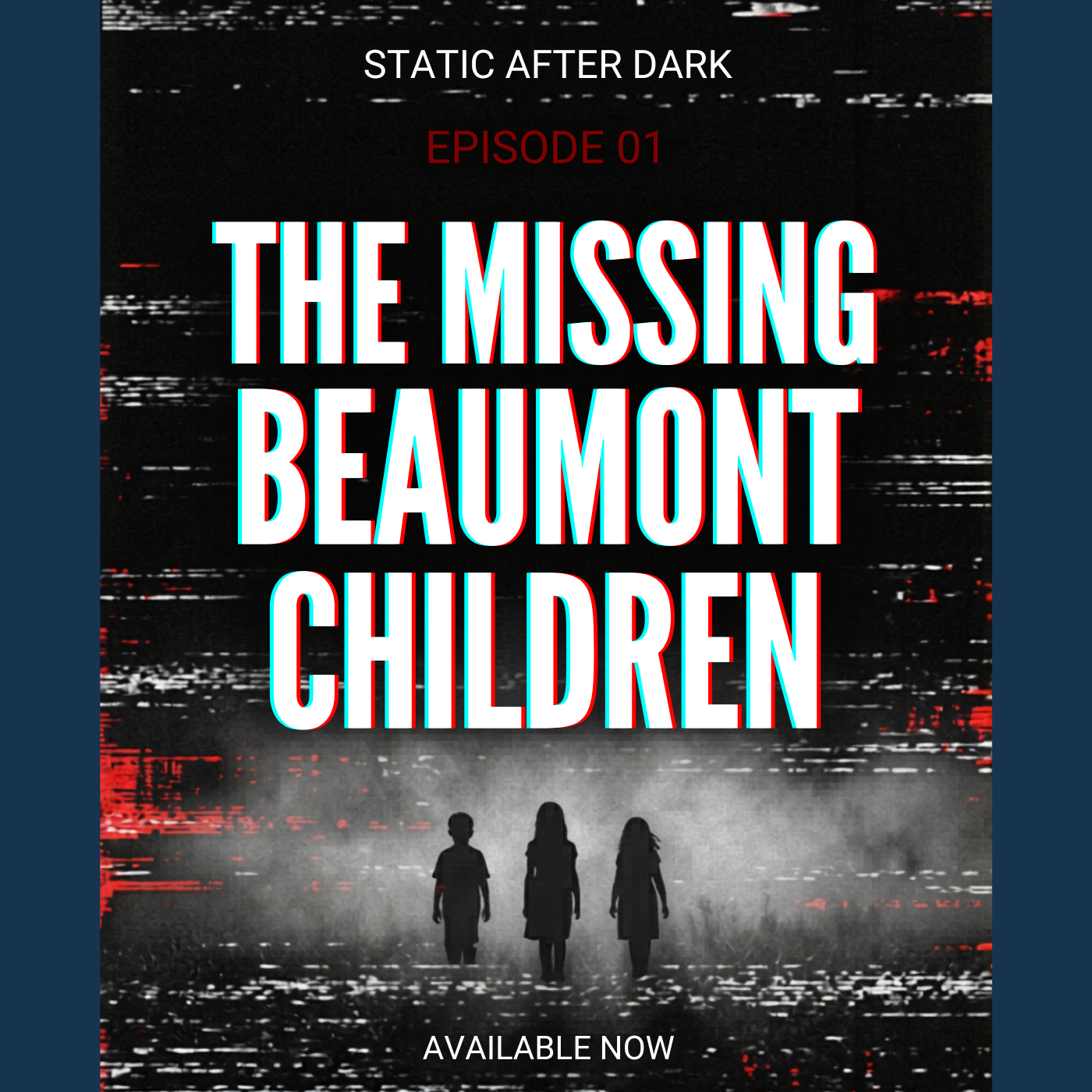
Welcome back to the blog, listeners! In our latest episode of Static After Dark, we delved into one of Australia's most perplexing and heart-wrenching unsolved mysteries: the disappearance of the Beaumont children. This week's blog post aims to expand on the idyllic setting that would forever be etched in the national consciousness as the place where three young lives vanished into thin air. We're going to take a closer look at Glenelg Beach on January 26, 1966, and explore the atmosphere of that fateful summer day, the circumstances surrounding the disappearance, and the questions that continue to haunt us. You can find the full episode, titled The Missing Beaumont Children, right here.
Glenelg Beach: The Idyllic Setting of a Tragedy
Glenelg Beach, located just a short tram ride from Adelaide's city center, has long been a beloved destination for South Australians and tourists alike. In the mid-1960s, it was no different. It was the quintessential Australian seaside experience: sun-drenched sands, sparkling blue waters, and a vibrant promenade buzzing with activity. Families flocked to its shores to escape the heat of the summer, to build sandcastles, to splash in the waves, and to simply enjoy the carefree spirit of a sun-drenched afternoon. The air would have been filled with the laughter of children, the cries of seagulls, and the gentle murmur of conversation. Ice cream vendors would have been doing a brisk trade, and the smell of sunscreen and saltwater would have been omnipresent. Glenelg represented a postcard-perfect image of Australian summer life, a place where worries were left at the shore and joy was found in the simple pleasures of a day at the beach.
On January 26, 1966, Australia Day, Glenelg Beach would have been particularly crowded. It's a public holiday, a time for celebration and outdoor activities. The atmosphere would have been festive, amplified by the long weekend. Families would have gathered for picnics, friends would have met up for games of beach cricket, and the general mood would have been one of relaxed enjoyment. The sun, a powerful force in the South Australian summer, would have been beating down, urging people to seek refuge in the cool embrace of the ocean. It was a day meant for creating happy memories, a day that, for many, would have been filled with the simple joys of childhood and family togetherness. This image of a vibrant, happy, and bustling beach is crucial to understanding the profound shock and disbelief that followed the Beaumonts' disappearance. How could such a public, populated place become the stage for such a devastating vanishing act?
The Beaumont Children: Jane, Arnna, and Grant
At the heart of this enduring mystery are Jane, Arnna, and Grant Beaumont. They were not strangers to Glenelg Beach. The family lived in Somerton Park, a suburb not far from the beach, and the children were regular visitors. Jane, the eldest at nine years old, was described as a responsible and caring older sister. Arnna, seven, was known for her bright personality and energetic spirit. And Grant, the youngest at four, was a typical little boy, full of curiosity and a love for play. They were ordinary children, with ordinary dreams and desires, on an ordinary summer day. They were the kind of children that any parent would feel comfortable letting run and play, their innocence a shield against the darker aspects of the world.
Their mother, Nancy Beaumont, was at work that day, and their father, Jim Beaumont, was at a business conference in the city. The children, under the care of their mother's friend, Mrs. Helen Dallow, were granted permission to walk to the beach independently, a testament to the perceived safety of the era and the children's own perceived maturity and familiarity with the area. This was not an unusual occurrence for children in that time and place. They were allowed a degree of freedom and independence that would be unthinkable for many parents today. They were expected to be back at a certain time, having enjoyed their day of play. The trust placed in them, and the assumptions made about their safety, would be irrevocably shattered.
The fact that they were so young, yet seemed capable of making the short journey to the beach on their own, speaks volumes about the era and the community. It underscores their innocence and their familiarity with their surroundings. It also highlights how tragically vulnerable they were, precisely because of that innocence and the trust they placed in the world around them.
January 26, 1966: The Day That Changed Everything
January 26, 1966, was Australia Day. The nation was celebrating its identity, its history, and its future. For the Beaumont family, it was a day that began like any other summer holiday, filled with the anticipation of a fun-filled outing. The weather was predictably hot, the kind of heat that encourages a trip to the beach. There was a sense of national pride and collective celebration in the air. It was a day of public holidays, of families coming together, of widespread outdoor activities. The optimism and joy that characterized Australia Day that year stand in stark contrast to the profound sadness and enduring mystery that would descend upon the nation following the Beaumont children's disappearance.
The beach was teeming with people, a sea of colourful umbrellas and towels. The air was thick with the sounds of a joyous celebration. It was a day when vigilance might have been a little more relaxed, when the ordinary concerns of daily life were pushed to the background by the festive atmosphere. This is why the disappearance, occurring in broad daylight and amidst such a crowd, remains so baffling. It was not a clandestine snatch in the dead of night; it was an event that unfolded in the full glare of the sun, surrounded by hundreds of potential witnesses, yet leaving no clear account of what transpired. The very public nature of the setting makes the lack of definitive answers all the more disturbing.
The Disappearance: A Broad Daylight Mystery
The story of their disappearance is deceptively simple, yet profoundly chilling. Jane, Arnna, and Grant arrived at Glenelg Beach around 10:00 AM. They were seen playing on the sand, and witnesses recall them interacting with other beachgoers. Crucially, they were seen queuing for a pasty at a stall near the beach. This is one of the last confirmed sightings of the children together. It's believed they spent approximately two hours at the beach before intending to head home. However, they never arrived back at Mrs. Dallow's house.
The alarm was raised when they didn't return as expected. Initially, there might have been a degree of parental concern, a thought that they had simply lost track of time or were playing with other children. But as the hours ticked by, and the sun began to set, a gnawing dread would have set in. The search for the children began, initially a small-scale effort by concerned neighbours and family friends. As the realization of the seriousness of the situation dawned, the search efforts grew, involving police, volunteers, and eventually, the entire nation. The search was extensive, covering the beach, the surrounding streets, and nearby suburbs. However, despite the massive undertaking, no trace of the children was found.
One of the most compelling pieces of evidence, and a source of much speculation, is the account of a man seen talking to the children. Several witnesses reported seeing a man, described as having dark hair and a slim build, interacting with Jane, Arnna, and Grant. Some accounts suggest the man was playing with them, while others indicate he was walking with them towards the dunes. The man has never been identified, and his role in the events of that day remains a subject of intense debate and investigation. Was he a helpful stranger, a concerned citizen, or something far more sinister? The vagueness of his description and the conflicting accounts only add to the mystery.
The fact that three children could simply vanish from such a busy public space in broad daylight is what makes this case so profoundly disturbing. It defies logical explanation and challenges our fundamental assumptions about safety and security. The sheer impossibility of it all is what has captivated and haunted Australians for decades.
Key Questions and Unanswered Mysteries
The disappearance of the Beaumont children is a labyrinth of unanswered questions. Perhaps the most prominent is: how could three young children disappear in broad daylight from a crowded beach? This question has no easy answer and has fueled countless theories over the years. Was there a lapse in supervision? Was a predator able to blend in with the crowds and lure the children away? The lack of any struggle, any witnesses to a forceful abduction, makes it particularly perplexing.
Then there is the mystery of the man seen with the children. Who was he? What was his connection to the Beaumonts? Was he a stranger, a friend of the family, or something else entirely? The descriptions of him are inconsistent, and his identity has never been confirmed. He remains a phantom figure in the narrative, a constant reminder of the unknown element that played a role in the children's vanishing.
Another critical question revolves around the subsequent investigations. Over the decades, there have been numerous police investigations, appeals for information, and even excavations at various sites in South Australia based on new leads or suspicions. Despite extensive efforts, no concrete evidence has ever emerged that definitively explains what happened to Jane, Arnna, and Grant. Theories abound, ranging from abduction and murder to accidental drowning and even the possibility that the children are still alive somewhere. Each theory, however, presents its own set of challenges and lacks definitive proof.
The role of the media and the public's fascination with the case also contribute to the enduring mystery. The Beaumont case became a national obsession, a story that captured the imagination and the fear of a nation. The constant re-examination of the facts, the sharing of new theories, and the persistent hope for a resolution keep the mystery alive, even as the original witnesses age and memories fade. The unresolved nature of the case allows for the continuous re-imagining of events, a desperate attempt to fill the void left by the children's absence.
The Lingering Impact on Australia
The disappearance of the Beaumont children had a profound and lasting impact on Australia. It was a national trauma, a stark reminder of the vulnerability of children and the fragility of life. For parents across the country, it instilled a heightened sense of vigilance. The era of children playing unsupervised in public spaces began to wane, replaced by a more cautious approach to child safety. The case became a cautionary tale, a symbol of how quickly a sense of security could be shattered.
The Beaumont case also had a significant impact on the way missing persons investigations were handled in Australia. It highlighted the need for more comprehensive protocols, better inter-state cooperation, and the importance of public awareness campaigns. The case spurred changes in law enforcement practices and contributed to the development of specialized units dedicated to finding missing children.
Beyond the practical implications, the Beaumont children's disappearance left an emotional scar on the Australian psyche. It's a story that is often retold, a mystery that continues to resonate deeply. The image of three innocent children vanishing from a sunny beach on Australia Day is a powerful and enduring one. It taps into our collective fears and our deep-seated desire for justice and closure. The unresolved nature of the case ensures that it remains a part of the national consciousness, a somber reminder of the day a perfect summer turned sinister.
Conclusion: The Enduring Enigma of Glenelg Beach
Glenelg Beach, once a symbol of carefree summer days, is now forever intertwined with the tragic disappearance of Jane, Arnna, and Grant Beaumont. The events of January 26, 1966, transformed a vibrant seaside destination into the backdrop of one of Australia's most enduring mysteries. We've explored the idyllic setting of that fateful day, the innocent lives of the Beaumont children, and the baffling circumstances of their vanishing act. The questions surrounding this case – how they disappeared, who the man was, and what ultimately happened – continue to linger, leaving a void that no amount of investigation has been able to fill.
This blog post serves as an extension of our latest episode, The Missing Beaumont Children, where we delved deeper into the facts, the theories, and the emotional weight of this devastating event. The story of the Beaumont children is a stark reminder of the unknown that can lie beneath the surface of the ordinary, and the profound impact that a single day can have on a nation. We encourage you to listen to the episode for the full auditory experience and to continue the conversation about this unresolved chapter of Australian history.

The Midnight Disappearances: Why Cold Cases Haunt the After Dark Hours